Common Mistakes to Avoid When You Shop Silver Bullion
Silver bullion has long been a popular choice for investors looking to diversify their portfolio, hedge against inflation, or secure tangible assets. While investing in silver can be highly rewarding, it’s important to approach purchases carefully. Many investors, particularly newcomers, make mistakes that can reduce returns or even put their investment at risk.

Understanding these pitfalls and learning how to avoid them is key to making smart silver bullion purchases. This article explores the most common mistakes investors make when shopping for silver bullion and offers practical tips for safer, more profitable investing.
1. Not Verifying the Seller’s Reputation
One of the biggest mistakes investors make is purchasing silver from unverified or unreliable sellers. The precious metals market has reputable dealers, but it also has fraudulent operations that sell counterfeit or overpriced bullion.
Why this matters: Buying from an untrustworthy seller could result in counterfeit products or inflated prices, costing you money and causing potential losses.
How to avoid it:
-
Research the dealer’s reputation through reviews, forums, and professional associations.
-
Look for dealers affiliated with recognized organizations, such as the Professional Numismatists Guild (PNG) or the American Numismatic Association (ANA).
-
Confirm that they offer clear authentication and buyback policies.
2. Ignoring Purity and Weight
Silver bullion’s value is directly tied to its purity and weight. Unfortunately, some buyers overlook these critical factors, focusing only on aesthetics or price.
Why this matters: Low-purity or misrepresented weight can reduce your investment’s value and make it harder to sell in the future.
How to avoid it:
-
Always check that bullion has a purity of at least .999 (99.9%), the standard for investment-grade silver.
-
Confirm the exact weight, whether it’s 1 oz, 10 oz, 100 oz, or larger.
-
Purchase bullion from trusted mints that provide assay certificates and official markings.
3. Focusing Solely on Price
While everyone wants to buy silver at the best price, focusing only on cost can be misleading. Low prices may indicate counterfeit products, high premiums hidden in fees, or lesser-known brands with limited resale value.
Why this matters: Overemphasizing price could lead to purchases that are difficult to resell or less profitable in the long run.
How to avoid it:
-
Compare prices across multiple reputable dealers, considering shipping, handling, and any additional fees.
-
Prioritize authenticity, liquidity, and recognized mints over slightly lower prices.
4. Overlooking Authentication and Serial Numbers
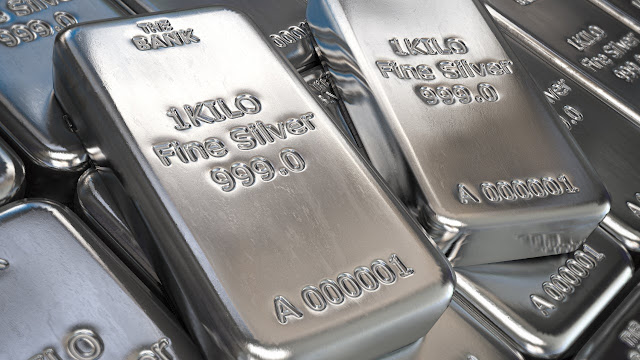
Many silver bars and coins include hallmarks, mint marks, and serial numbers for verification. Skipping this step can put you at risk of buying counterfeit or misrepresented bullion.
Why this matters: Authentication features guarantee the bar or coin’s purity and weight and make resale easier.
How to avoid it:
-
Buy bullion from recognized mints such as PAMP Suisse, Royal Canadian Mint, or Engelhard.
-
Check for visible serial numbers and official hallmarks.
-
Keep all certificates of authenticity and receipts for future resale or insurance purposes.
5. Choosing the Wrong Size for Your Needs
Silver bullion comes in various sizes, from 1-ounce bars to 1,000-ounce industrial bars. Selecting the wrong size can impact liquidity, storage, and overall portfolio strategy.
Why this matters: Large bars offer lower premiums but are harder to sell in small increments. Smaller bars are more flexible but often cost more per ounce.
How to avoid it:
-
Assess your investment goals: long-term storage, incremental investment, or liquidity needs.
-
Balance cost efficiency with flexibility by mixing small and medium-sized bars.
6. Neglecting Storage and Security
Physical silver requires proper storage to maintain its condition and value. Many buyers fail to plan for secure storage, risking damage, theft, or loss.
Why this matters: Tarnished, scratched, or stolen bullion can significantly reduce resale value.
How to avoid it:
-
Use a home safe, bank safe deposit box, or professional bullion storage facility.
-
Consider insuring your silver investment against theft, damage, or loss.
7. Failing to Understand Market Timing
Silver prices fluctuate due to global economic conditions, supply and demand, and geopolitical events. Buying at the wrong time can reduce your potential returns.
Why this matters: Purchasing during price peaks may require waiting years for favorable returns.
How to avoid it:
-
Monitor silver market trends and economic indicators.
-
Consider dollar-cost averaging, spreading your purchases over time to reduce the impact of price volatility.
8. Not Planning for Resale
Some investors focus solely on buying without considering how they will sell their silver in the future. Lack of a resale strategy can limit liquidity and reduce returns.
Why this matters: If you need cash quickly, unrecognized bars or coins may be harder to sell or may fetch lower prices.
How to avoid it:
-
Stick to widely recognized coins and bars.
-
Maintain all documentation, including receipts and certificates, to simplify resale.
Final Thoughts
Shopping for Shop silver bullion can be a highly rewarding investment strategy, but it requires careful planning and attention to detail. Avoiding mistakes such as purchasing from unverified sellers, ignoring purity, overemphasizing price, and neglecting storage will help protect your investment and maximize returns.
By educating yourself, choosing reputable dealers, and implementing thoughtful storage and resale strategies, you can confidently invest in silver bullion and enjoy both the financial security and diversification it offers.


Comments
Post a Comment